

Disinformation works like fog settling over a city still asleep. At first it seems like a thin, discreet veil. Then it swallows entire streets and no one can make out any shape at all. History knows this phenomenon well. In the seventeenth century, during the plague that swept through Italian cities, rumors about the untori — supposed secret spreaders of the disease — set the population on fire. A rumor took on the status of absolute truth, and fear turned into rushed justice. Innocent people were hunted down and punished. The plague passed, but the mark of the lie remained like a scar in court records and local chronicles. Disinformation won in that moment, but it made clear that its triumph always exacts a high price from the social fabric.
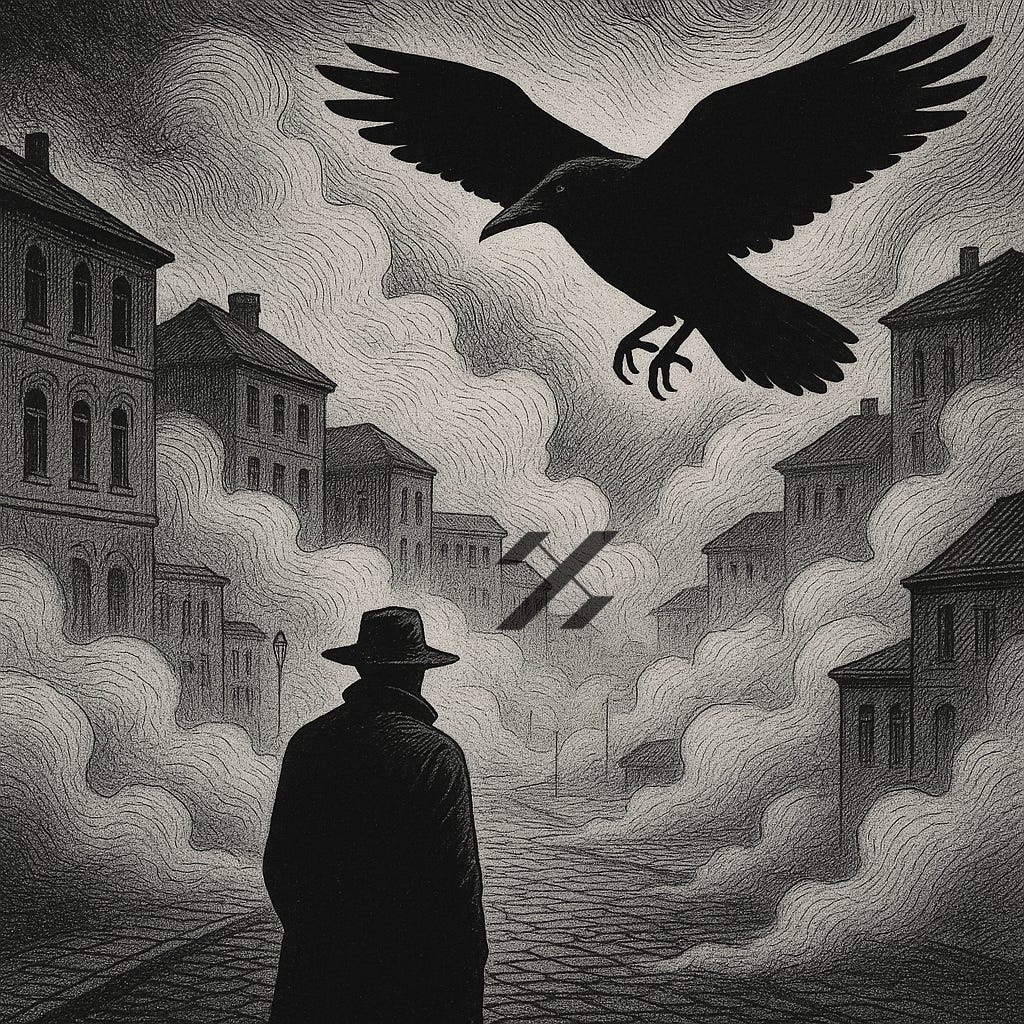
The same mechanism appeared in Europe in the 1930s. Manufactured theories against entire groups created a parallel reality that fueled violent policies. There, disinformation was not a casual mistake but a tool. Propaganda twisted facts and repeated falsehoods until they sounded natural. The result is well known and still studied. When a lie is institutionalized, it does more than distort perceptions; it alters destinies. It acts like acid, eating away at ethical convictions, dissolving independent judgment, and turning citizens into pieces moved by fear and resentment.
A rumor is like a drop of ink released into a glass of water. At first it gathers at the bottom, but with just a few movements it spreads through the whole liquid and leaves it cloudy. False information works the same way. It starts small. Then it takes over conversations. It warps public decisions. It shapes beliefs that begin to occupy the place of verifiable facts. And like any contaminated solution, it demands a slow and disciplined process of filtering. There is no instant cure.
An old medieval parable tells of a traveler who scatters feathers to the wind to symbolize distorted stories. When he tries to gather them back, he realizes they have already crossed valleys and mountains. Disinformation works like that allegory. Once released, it follows paths that are almost impossible to trace. Its outcome is rarely benign. It breaks bonds, shakes trust in institutions, and destroys reputations that take years to heal. None of this happens by magic, but through a predictable human dynamic.
Looking at these episodes, it becomes clear that disinformation never produces lasting well-being. It creates apparent solutions, but they collapse when faced with rigorous investigation or even with a sincere attempt to hear both sides. Its initial power feeds on emotional impulses and intellectual laziness. When confronted with consistent facts, it fades, like ink washed away by rain.
Societies that embrace verifiable information tend to build solid bridges; societies that yield to noise raise fragile structures that fall in the first strong wind. History leaves no room for doubt: disinformation does not enlighten. It only casts dense shadows, and fate is not kind to those who spread them.
Original Portuguese version (2023): A Ala Sombria da Desinformação